Jenaer Glaswerke Schott & Gen.
Bilder
Rythmogramme
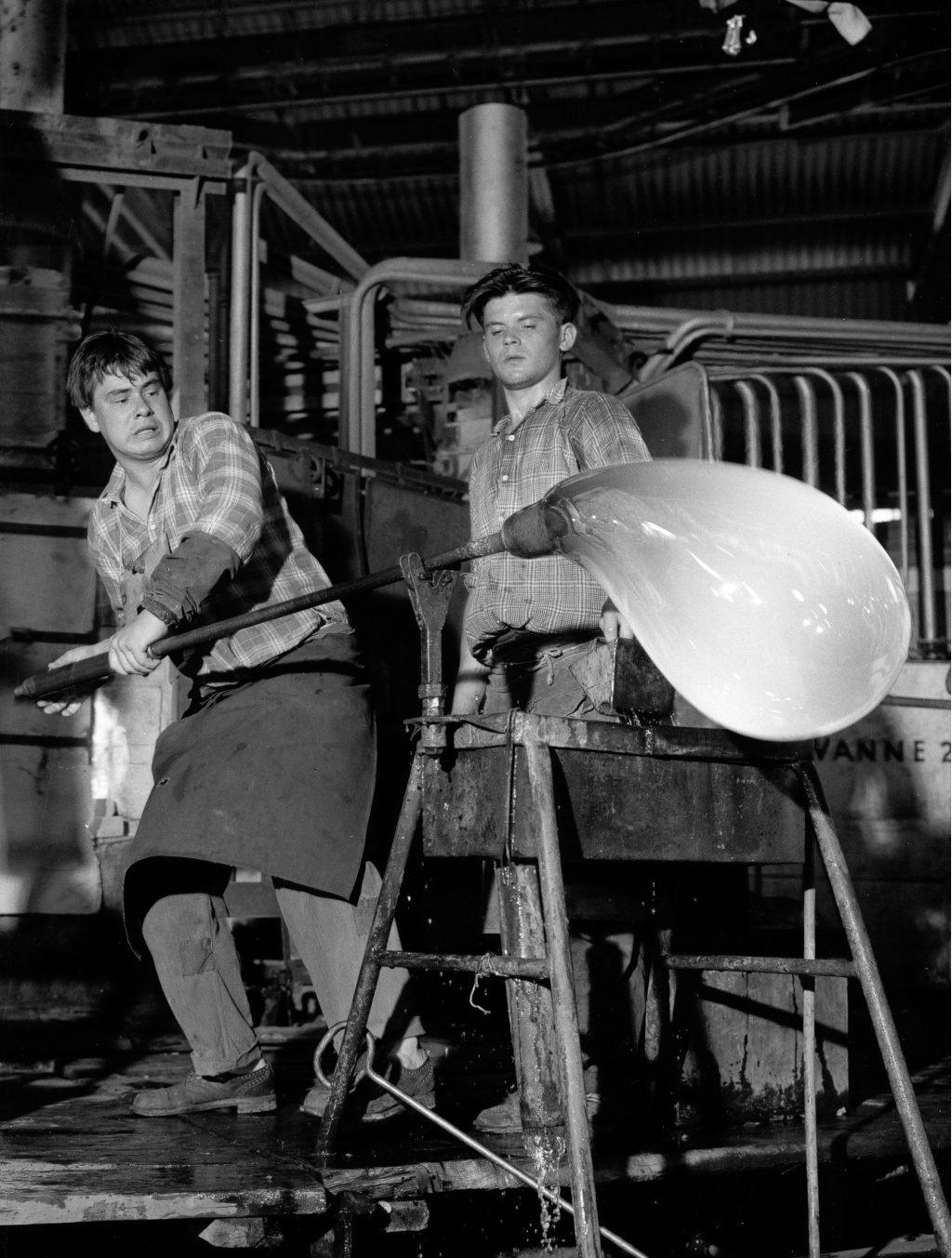
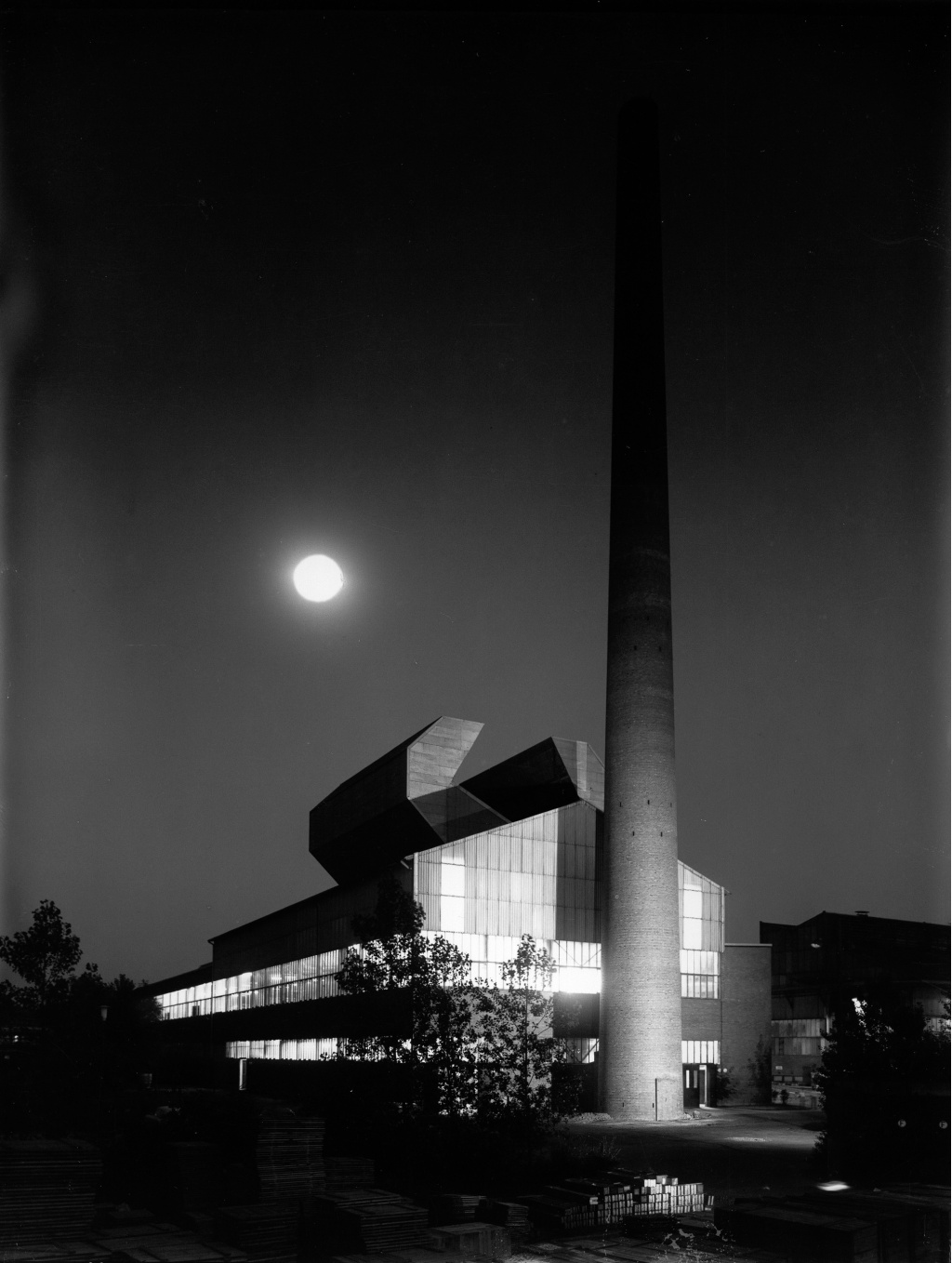
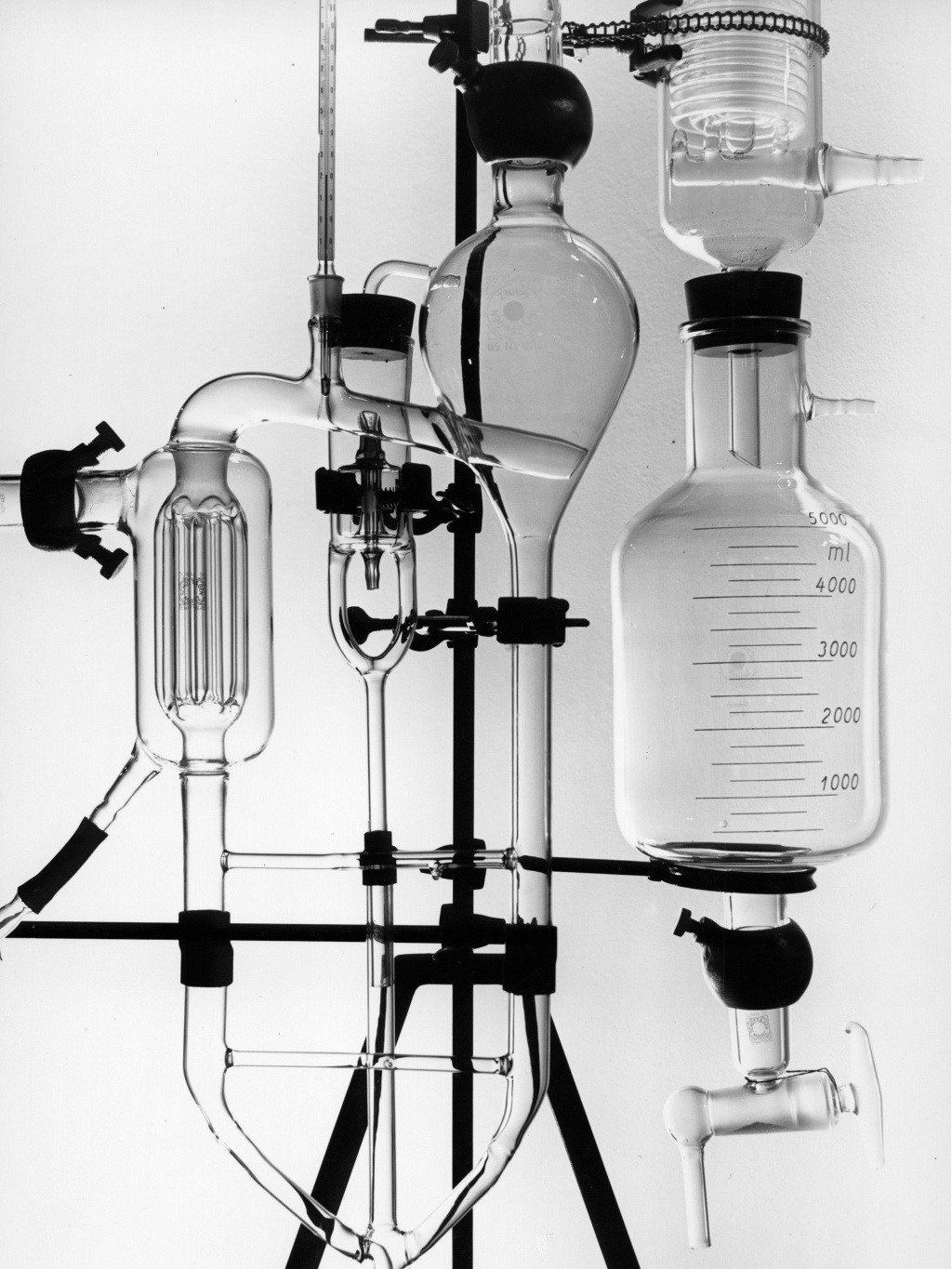
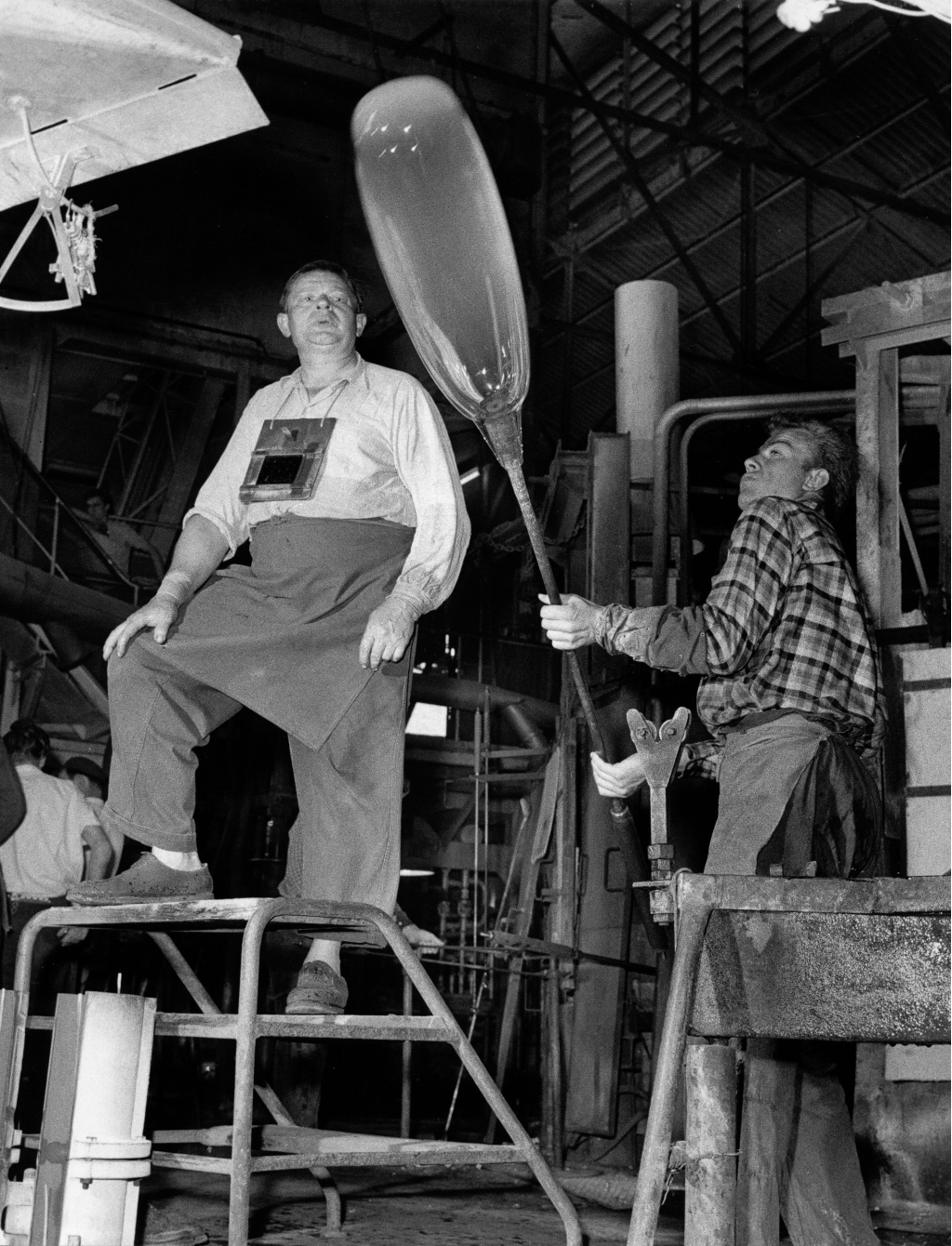
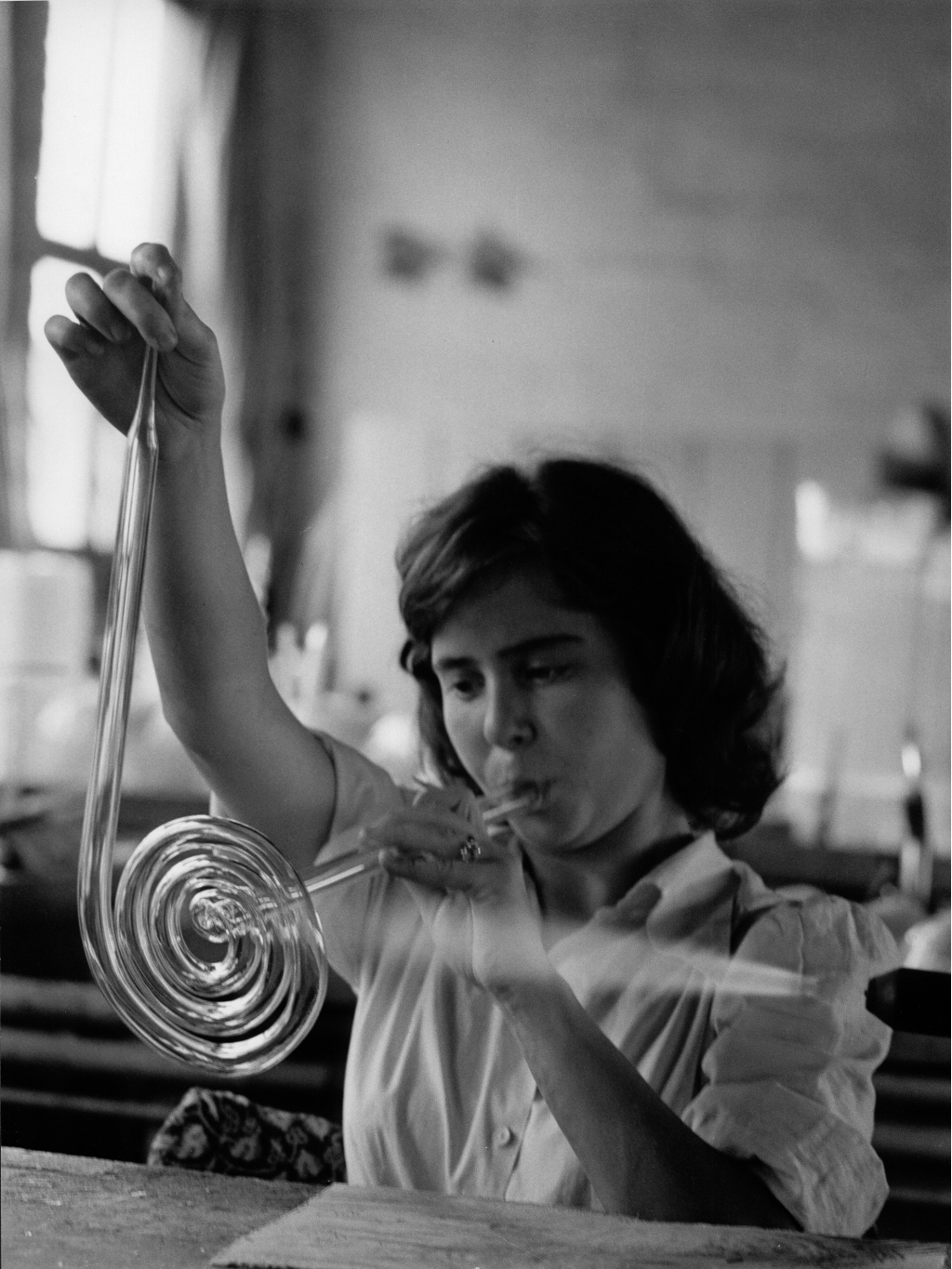
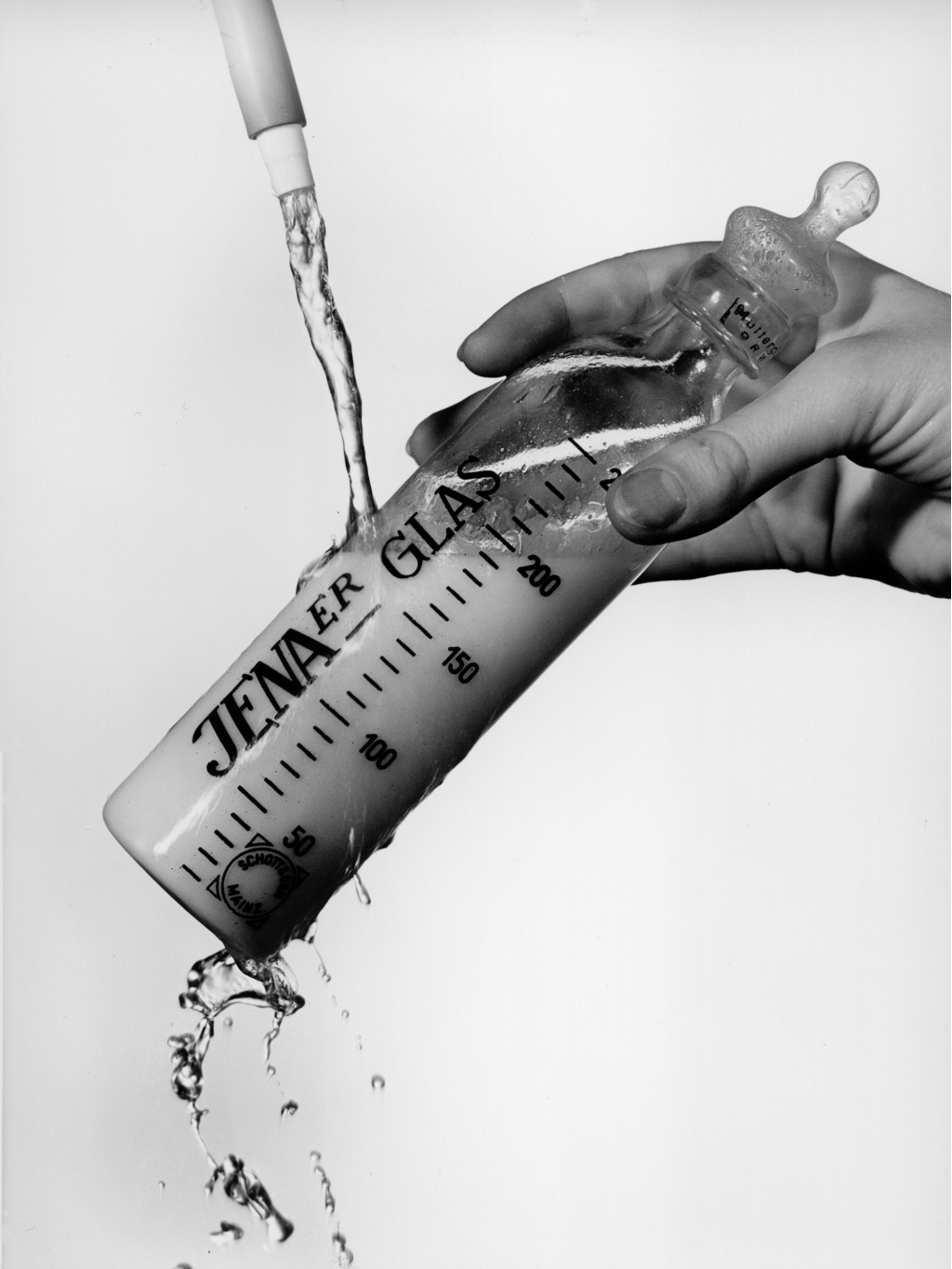
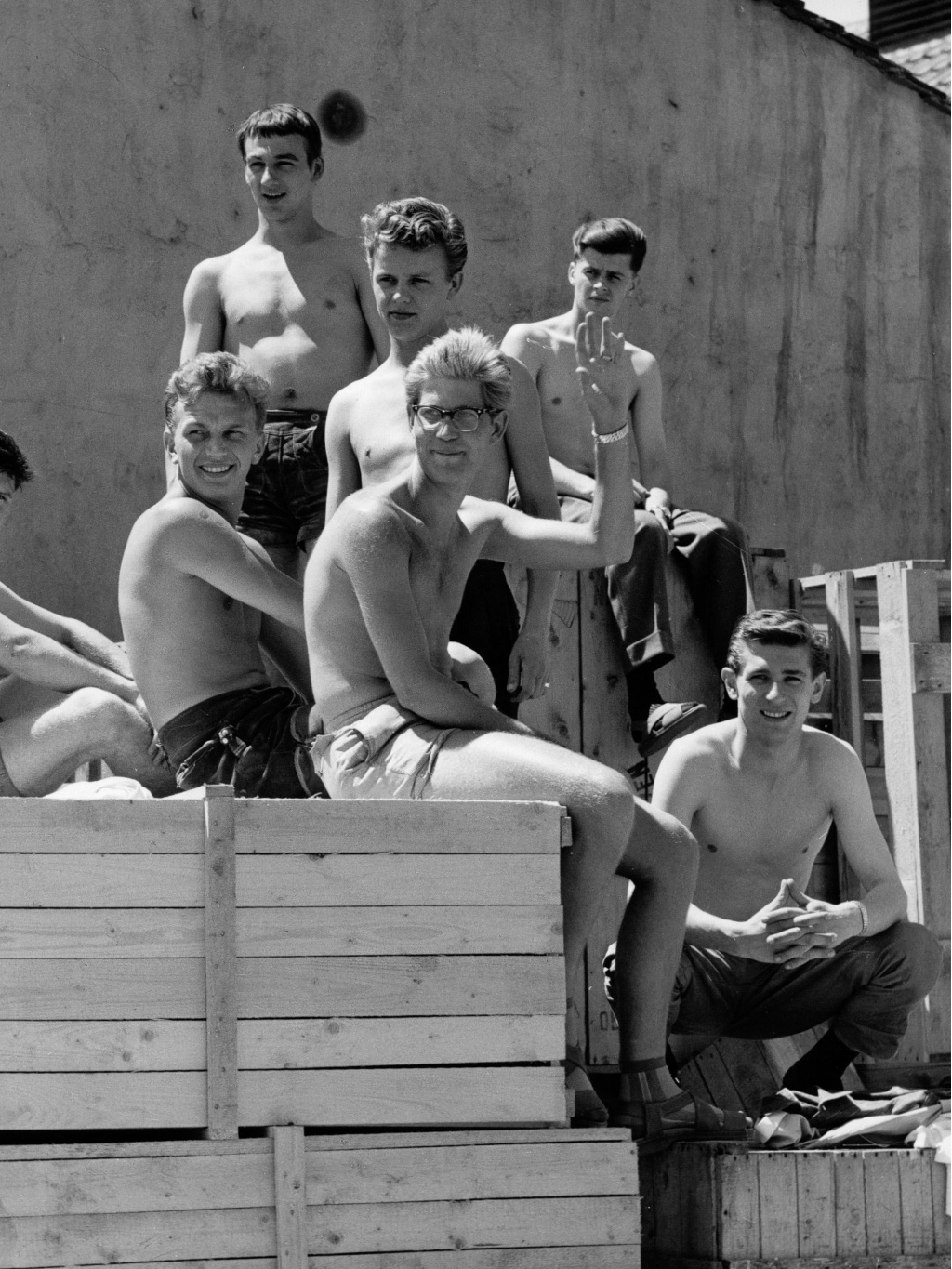
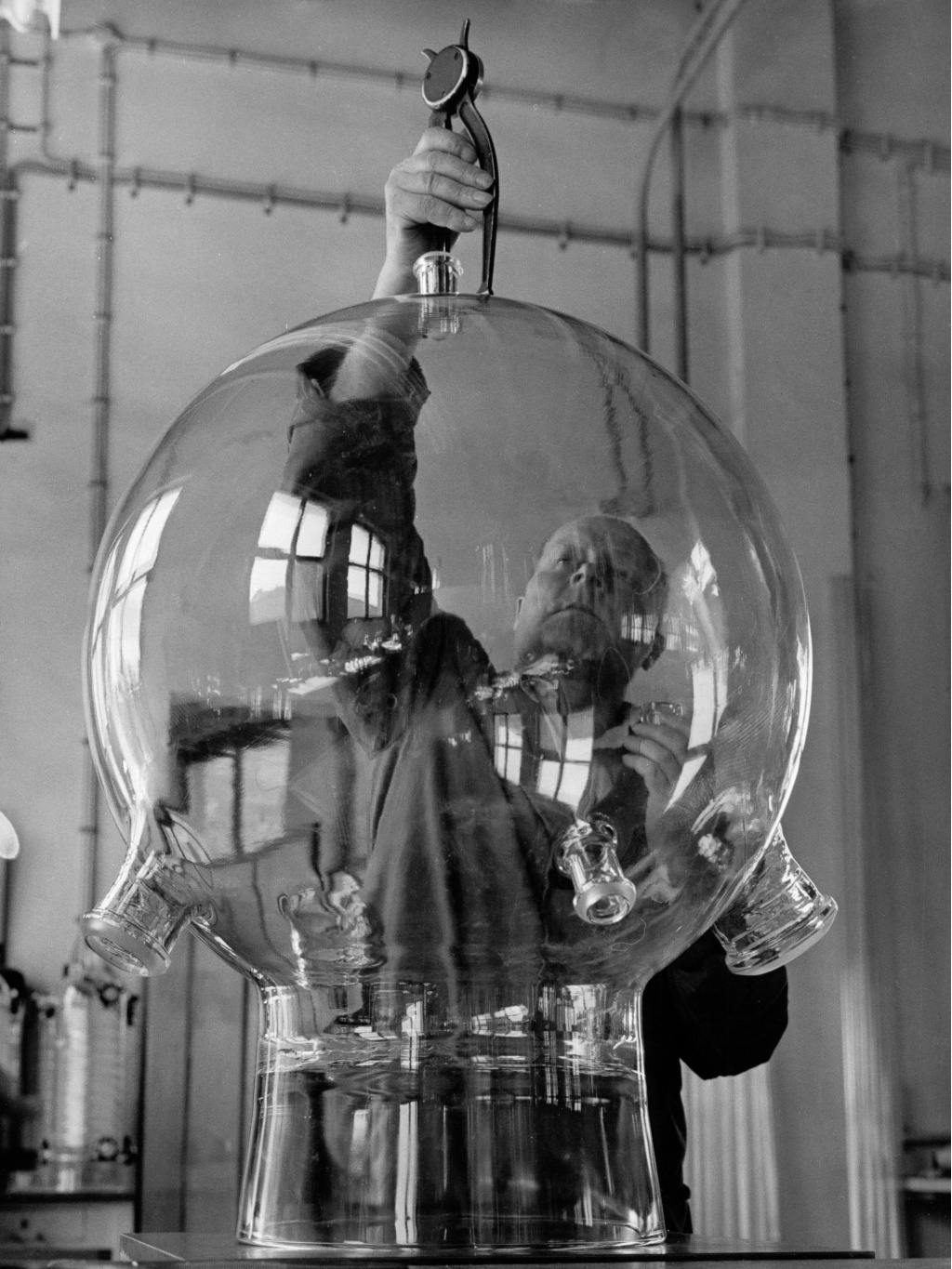
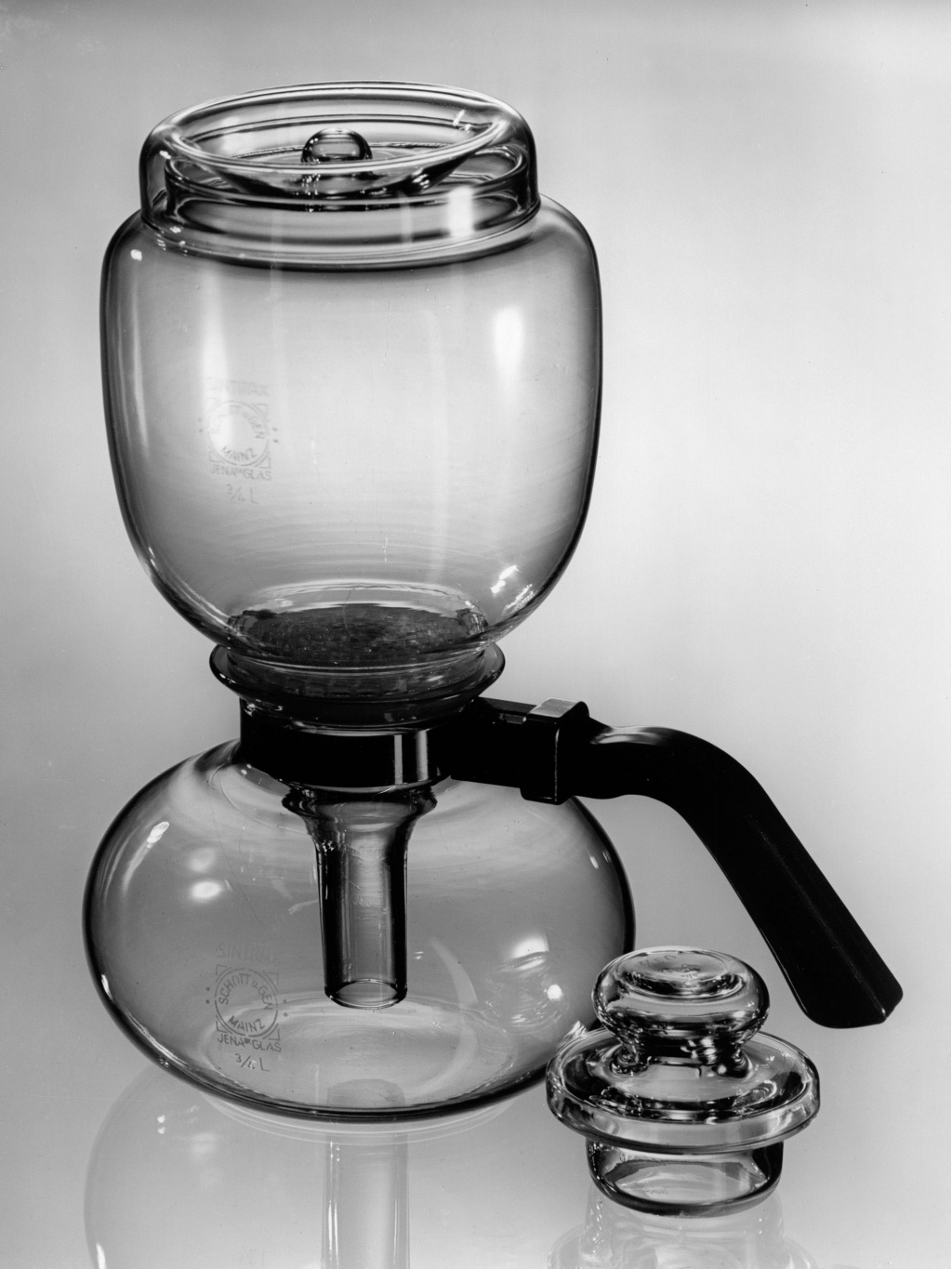
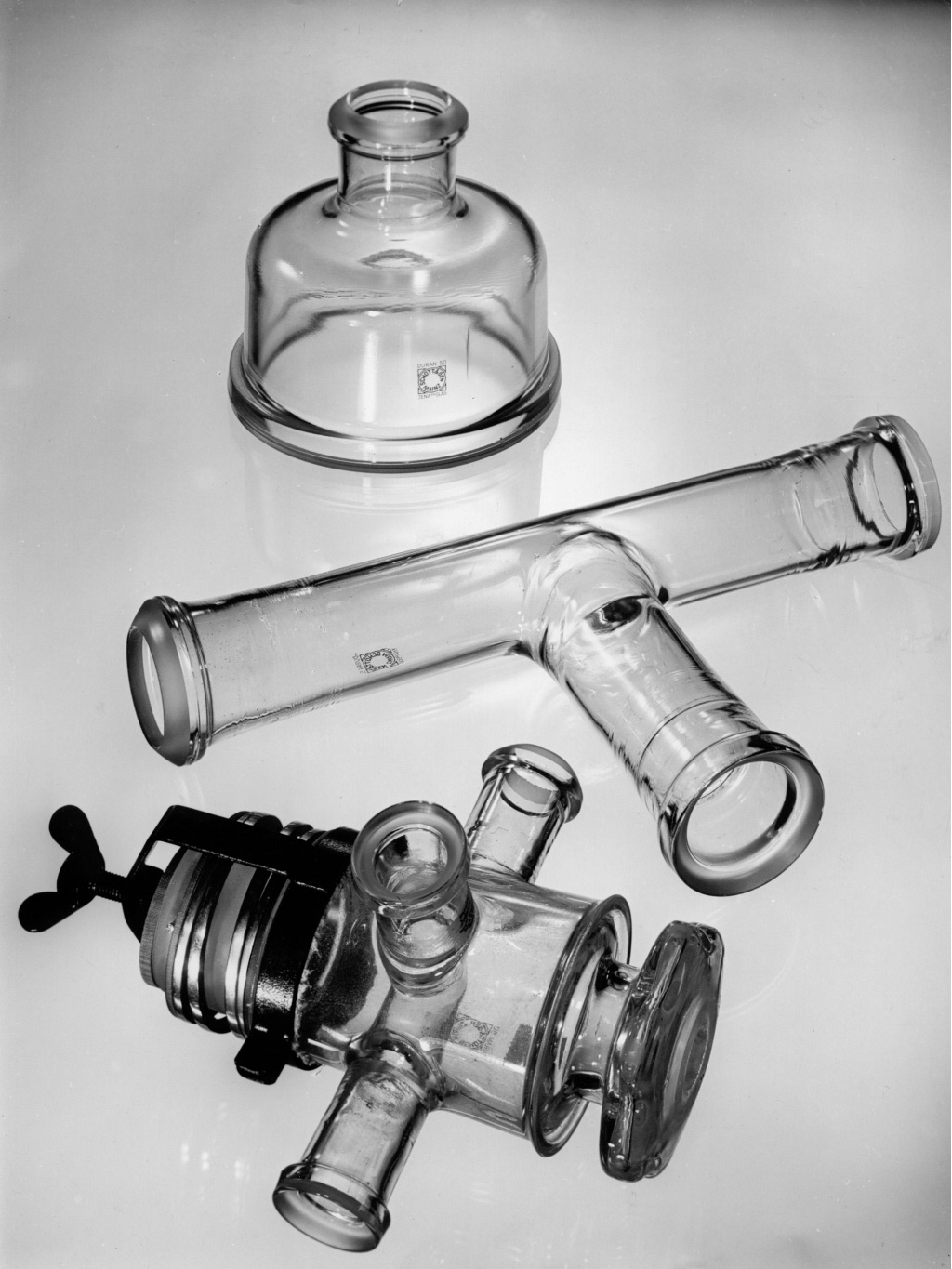
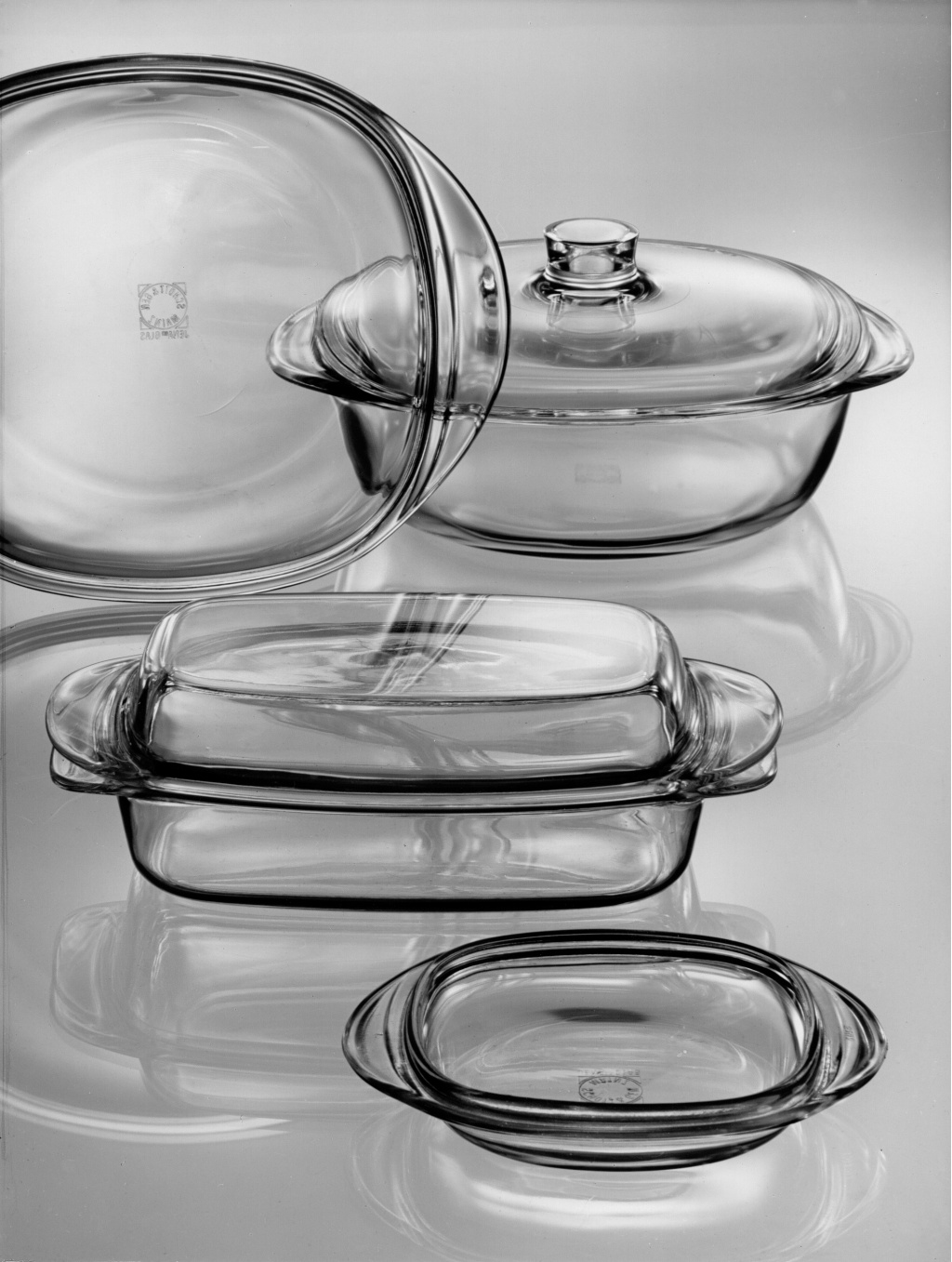
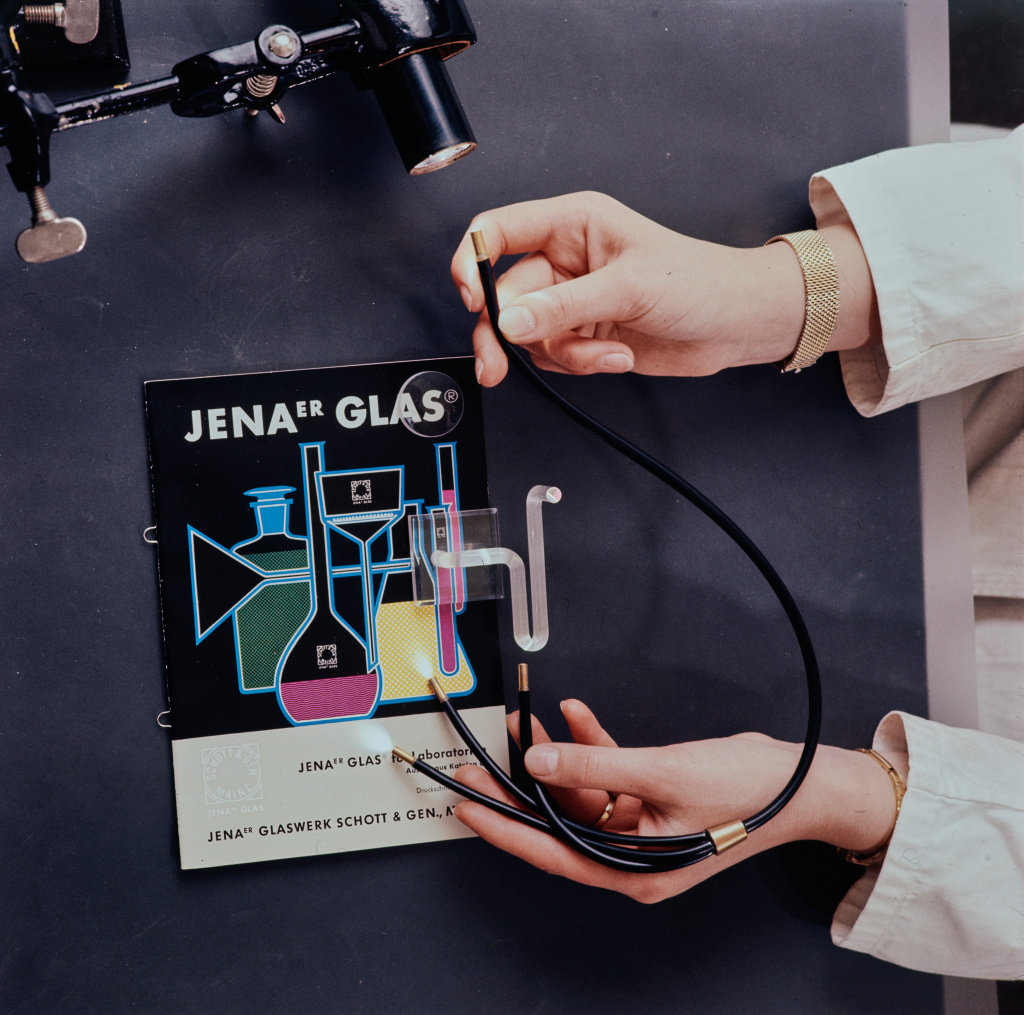
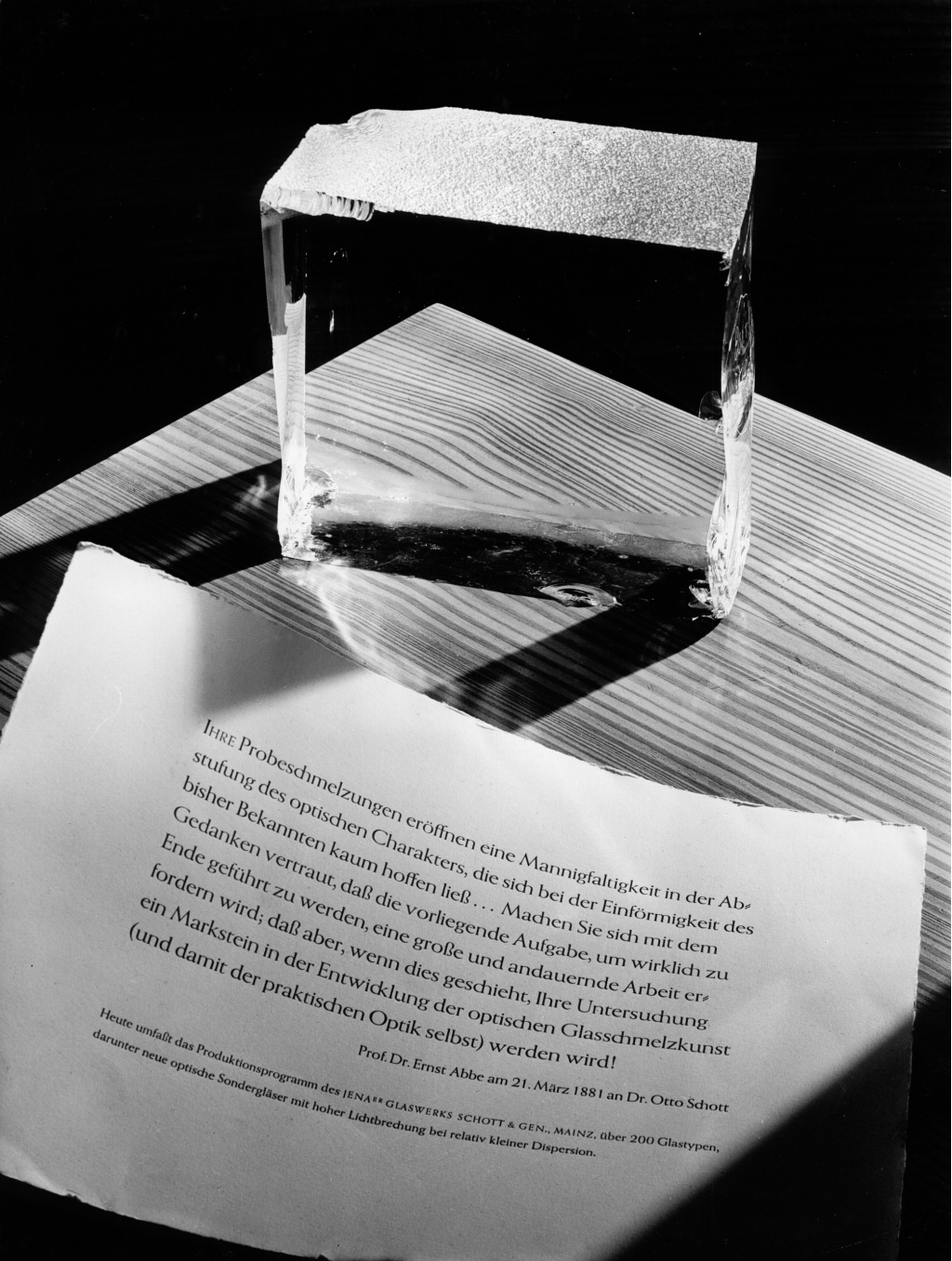
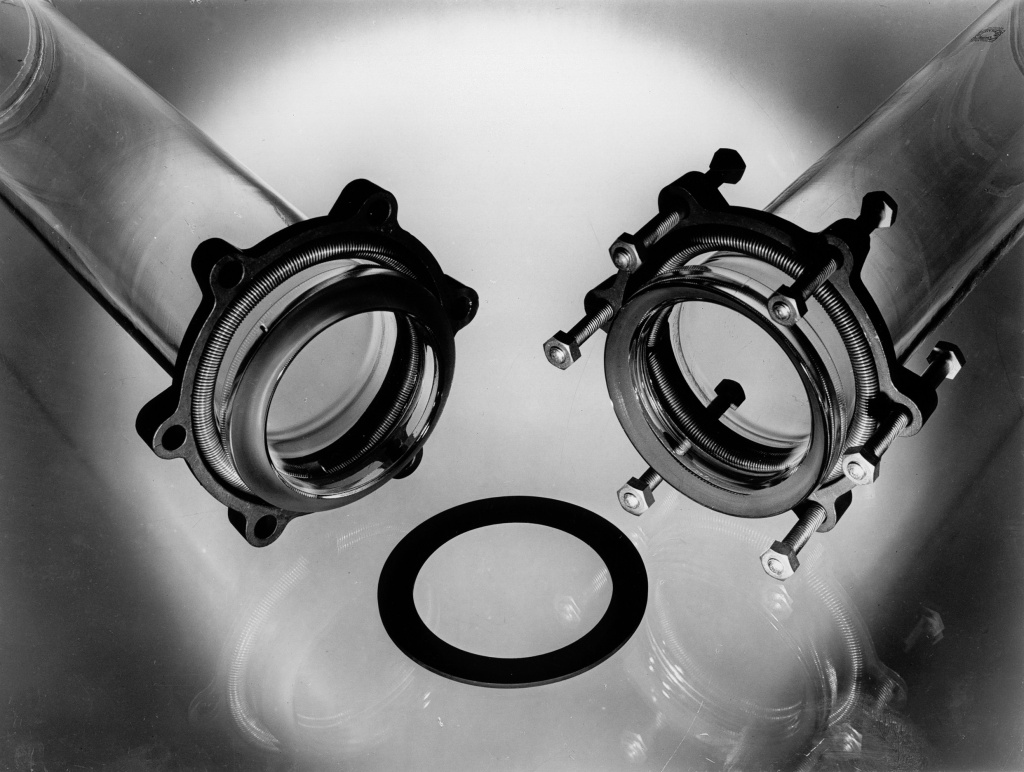
With his photographs of the new headquarters of Jenaer Glaswerke Schott & Gen. in Mainz,Heidersberger seems to have fulfilled far more than merely a commission for advertising and industrial photography. He presented the enormous production facilities both in daylight andunder a full moon, captured a gleaming exhibition stand on photo paper, and photographed parts of the household and industrial product range—from the Heinrich Loffelhardt-designed glass teapot to glass tableware and baby bottles, from borosilicate laboratory glassware to pharmaceutical glass-tube systems. He also documented in the style of a reportage photographer individual manufacturing steps as well as the skilled work of glassblowers. Individual portraits from the photographs he took in Mainz in 1956 are almost reminiscent of those taken by August Sander in his famous series People of the Twentieth Century.
Three years later, Heidersberger’s photographs were included in the book Der Zug der 41 Glasbläser (The Train of the Forty-One Glassmakers) authored by Walter Kiaulehn, which was commissioned by the company’s West German spin-off, and sold tens of thousands of copies and went through three editions within a very short time. It chronicles the history of the “brain drain” ordered by the US military government, which sent top staff from thecompany’s former headquarters in Jena to the West, along with important documents on glass composition and melting data, patent specifications and manufacturing processes, in order toprevent this expertise of the then leading specialty glass manufacturer from falling into the hands of the Soviet Union. The event marked the division of the company into East and West that lasted until the reunification of the Federal Republic.
Rythmogramme
Rythmogramme
Bilder
Rythmogramme
Rythmogramme